
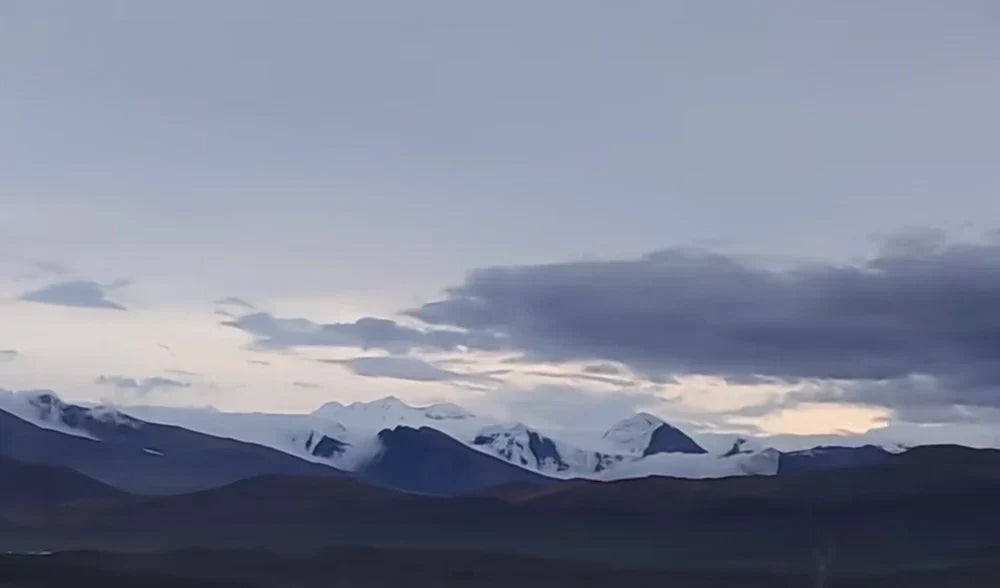
A Strange Question With a Real History
At first glance, it sounds odd. Why would climbers spend weeks on a mountain, endure brutal weather, and then stop just short of the top?
The answer is not about weakness. It is about respect, tradition, and the shape of the mountain itself.
On Kangchenjunga, the world’s third-highest peak, the idea of not stepping on the true summit began with the first ascent in 1955. That decision, made in deference to local beliefs, became one of the most famous mountaineering traditions in the Himalaya.
The Sacred Meaning of the Mountain
This peak is not just a technical objective. In Sikkim and across parts of the eastern Himalaya, it is treated as a sacred place. UNESCO describes the surrounding landscape as a core sacred region tied to local religious traditions.
For many people in Sikkim, the mountain is not simply a summit to conquer. It is a living symbol, tied to beliefs in deity, identity, and ritual respect.
That matters because mountaineering does not happen in a cultural vacuum. Climbers may map a route, but it already exists in a world of stories, taboos, and local meaning.
The 1955 First Ascent
The tradition goes back to the British first ascent in 1955. Joe Brown and George Band reached the summit area but stopped short of the highest point out of respect for local beliefs.
That decision made the climb famous for more than just athletic achievement. It became a story about restraint.
In mountaineering terms, that was unusual. In cultural terms, it was significant. The climbers were not just saying, “We can.” They were also saying, “We should not go further.”
That gesture shaped the mountain’s reputation for decades.
Why the Tradition Started
The reason was simple: reverence.
Local authorities and communities had made it clear that the summit held religious significance. The agreement around the first ascent reflected that. The climbers could attempt the mountain, but not desecrate the summit zone.
So the short answer is this: some climbers did not step on the true summit because they chose respect over symbolism.
And that choice left a lasting mark.
Why the Issue Still Comes Up Today
Over time, the tradition became part of the mountain’s identity. But it was never a universal rule for all climbers forever.
Modern expeditions sometimes debate whether to stop short or reach the true summit. According to climbing reports, some later expeditions followed the old custom for a time. Still, many modern climbers now aim for the actual summit because the ridge is jagged and the highest point can be hard to identify from a distance.
That is an important detail. On a complicated summit ridge, a climber may think they are at the top when they are actually on a nearby point. So the question is sometimes not only about respect, but also about summit verification.
The Mountain’s Shape Adds Confusion
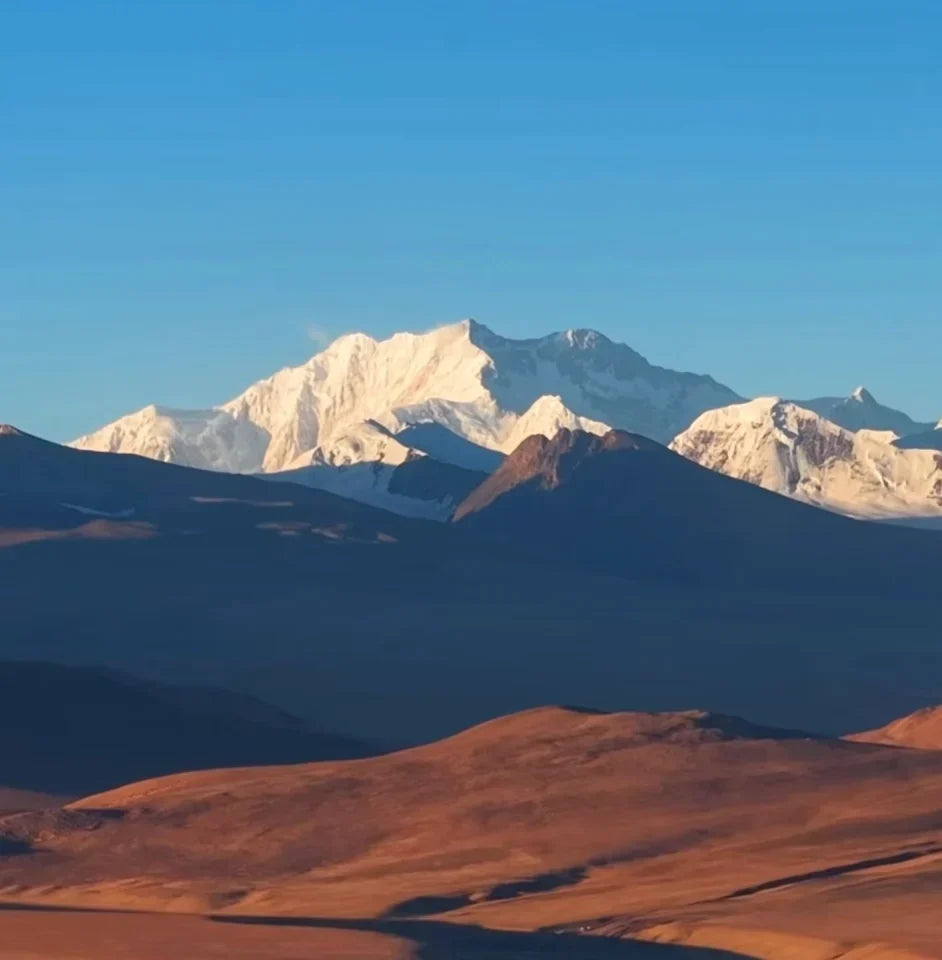
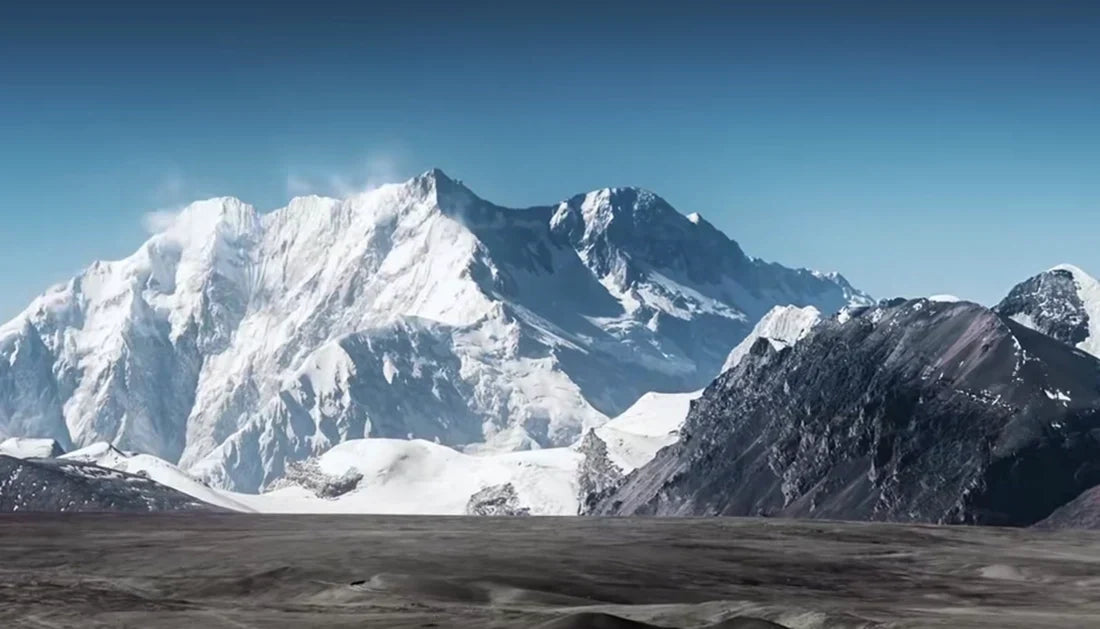
This is not a single, clean pyramid with an obvious point. The massif has multiple summits and a broken ridgeline.
That means the final section can be visually misleading. From certain angles, the “top” can appear to be a single point when it is actually another. In that sense, the debate is partly cultural and partly geographical.
Some climbers stop short on purpose. Others want the true summit. Some find the ridge harder to interpret than expected.
So when people ask why someone did not stand on the very highest rock or snow point, the answer may be one of three things:
- They were honouring local beliefs
- They misread a false summit
- They made a judgment call about safety or tradition
Respect Versus Completion
For many climbers, standing on the exact summit is a matter of completion. It confirms the objective, the record, and the photo.
But on sacred mountains, the summit is not always treated that way. There is a deeper question underneath the climbing one: does reaching the very top matter more than respecting the place?
On this mountain, many people would say no.
That is why the story still resonates. It reminds us that climbing is not only about performance. It is also about ethics, humility, and the relationship between outsiders and local culture.
Has the Tradition Been Kept?
Not always.
This is where the story gets more complicated. The old custom influenced generations of climbers, but it was eventually followed less strictly. Modern expeditions have often focused on confirming the true summit rather than intentionally stopping short.
So if you ask, “Do climbers still avoid the top?” the answer is: some historical ascents did, some climbers have chosen to, but it is no longer a universal practice.
That nuance matters. The tradition is real, but it is not a blanket rule for everyone who climbs there today.
Why the Question Matters
People often talk about summits as if they are just points on a map. But on sacred mountains, that is too narrow.
The summit question on this mountain forces a bigger conversation:
- What does a summit mean?
- Who gets to define success?
- How should climbers behave in sacred landscapes?
- Ishonourr measured only in altitude?
Those are not abstract questions. They are the reason the mountain still carries moral weight in mountaineering circles.
The Real Lesson
The most interesting part of the story is not that some climbers stopped short. It is why they did it, and why the choice still matters.
It shows that mountaineering can include restraint. It shows that not every achievement needs to be at its maximum. And it shows that a mountain can be both a sporting challenge and a sacred place.
That is rare. And that is why this peak has such a unique reputation.
Final Thoughts
So why do some climbers not step on the true summit?
Because the mountain is sacred, because history set a precedent, because the summit ridge can be confusing, and because respect sometimes matters more than the final step.
For many mountaineers, that makes the story richer, not smaller.
The climb is still immense. The commitment is still real. But the meaning of success changes when the summit itself is treated with reverence.
FAQ
Did the first climbers really stop short?
Yes. The 1955 first ascent stopped just short of the highest point out of respect for local beliefs.
Is that still common today?
Not always. Some modern climbers still honour the tradition, but many now aim for the true summit.
Is the summit hard to identify?
Yes. The ridge is jagged, making it hard to determine the exact highest point.
Why is the mountain considered sacred?
It is deeply tied to Sikkimese and Lepcha religious traditions, and UNESCO recognises the surrounding landscape as a sacred region.
Is stopping short a sign of failure?
No. In this context, it is often a deliberate act of respect, not a failure of skill.

コメントを書く
このサイトはhCaptchaによって保護されており、hCaptchaプライバシーポリシーおよび利用規約が適用されます。