
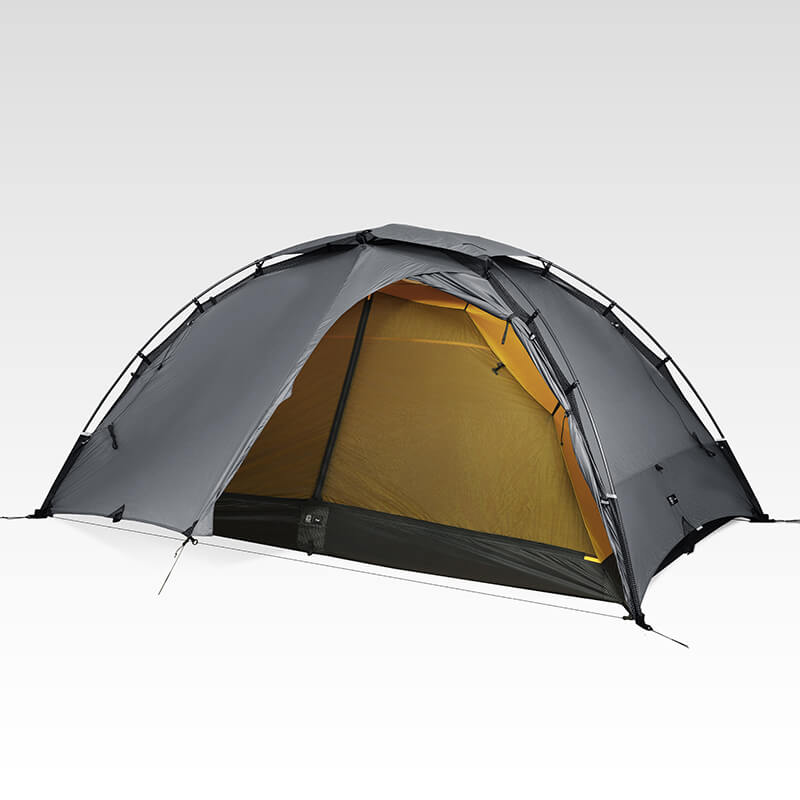
The Hilleberg Unna vs TFStents Saga comparison is really a choice between a legendary premium solo tent and a much better-value four-season shelter with greater everyday practicality.
The Hilleberg Unna is beautifully made, genuinely freestanding, proven in harsh conditions and widely respected by serious campers. But for many UK wild campers, the TFStents Saga gives more usable space, two doors, two vestibules, more size options and a far lower price. If your priority is long-term brand prestige, choose the Unna. If your priority is value for money, the Saga looks like the smarter buy.
Price and Value
Price is where the TFStents Saga starts to pull ahead. Camperlists lists the Saga from £339, with 1.5P and 2P versions available. Even versions with a full-size or zippered footprint remain well below the usual UK price of the Unna.
The Hilleberg Unna is a premium tent. Eat Sleep Wild notes UK pricing of £800-£900, which puts it in a very different budget range. That price is easier to justify if you often camp in severe conditions. Still, it is harder to recommend for someone who mainly does weekend wild camps, Scottish shoulder-season trips, or UK hillwalking overnighters.
In this part of the Hilleberg Unna vs TFStents Saga comparison, Saga gives more tent for the money.
Design and Usable Space
Hilleberg Unna
The Unna is a one-person freestanding dome tent. Hilleberg lists it as an all-season Red Label tent with no vestibule, a packed weight of 2.3 kg, an inner height of 100 cm, and an inner area of 2.5 square metres. Its biggest strength is simplicity. It pitches almost anywhere, including rocky ground where pegging is difficult.
The main compromise is storage. The Unna has no true vestibule. You can unclip part of the inner to create a porch-style space, but that is still a workaround rather than a built-in feature.

TFStents Saga
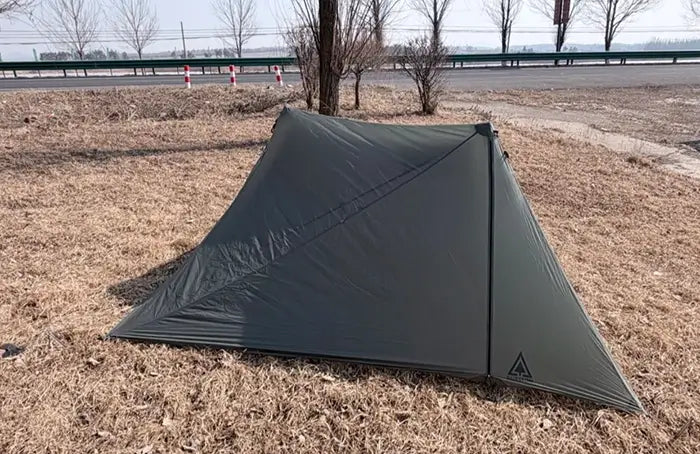
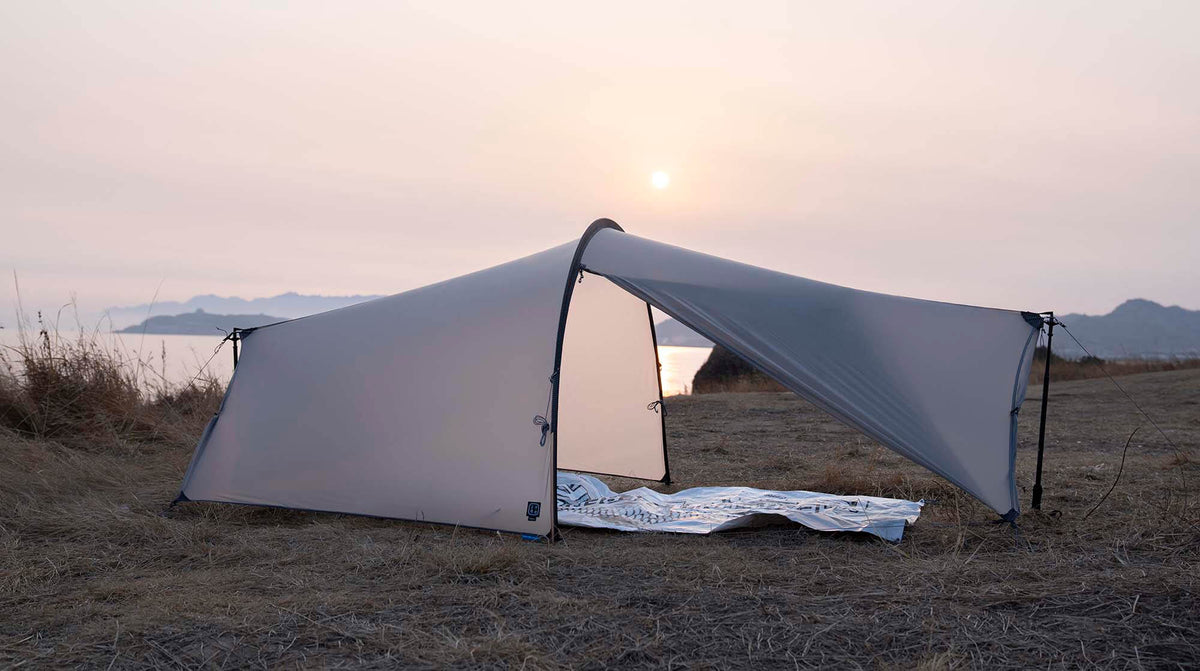
The TFStents Saga is listed as a 1.5- to 2-person, four-season tent with two doors, two vestibules, and two vents. That layout is immediately more convenient for wet UK camping. You can store boots on one side, cook carefully on the other side of the vestibule, or share the tent without climbing over each other.
The Saga inner sizes are also generous. The 1.5P inner is listed at 235 cm long and 112 cm wide, while the 2P version is 240 cm long and 132 cm wide. For UK backpackers who want room for a large sleeping pad, winter kit or a dog, the Saga feels more flexible.
Weather Protection
The Unna deserves its reputation. Hilleberg describes it as a fully freestanding solo tent for all-season use, with Kerlon 1200 fabric, 9 mm poles and outer walls that extend to the ground. Trailspace reviewers repeatedly praise its strength, ease of pitching, and confidence in bad weather.
The Saga also has serious weather credentials. Camperlists lists a double-silicone-coated nylon fly with a 5000 mm waterproof rating, DAC Featherlite NSL aluminium poles, strong stakes, and an optional zippered full-size footprint version designed for winter camping. The zippered footprint option can help retain warmth and reduce draughts, while still allowing ventilation when opened.
For extreme mountain use, the Unna has a longer reputation. But for typical UK wild camping in rain, wind, damp ground and cold evenings, the Saga offers a very convincing specification.
Vestibules and Wet Gear Management
This is one of the clearest wins for Saga.
UK camping often means wet boots, damp waterproofs, muddy gaiters, and a pack you do not want in your sleeping area. The Unna can manage this, but it asks you to compromise internal space. Eat Sleep Wild also points out that the lack of a true vestibule is one of the Unna’s main downsides.
The Saga gives you two vestibules from the start. That makes it easier to separate wet gear from sleeping gear, manage airflow and use the doors according to wind direction. In real British weather, that convenience matters.
Weight and Packability
The Unna is not ultralight, but it is impressively strong for its weight. Hilleberg lists a packed weight of 2.3 kg.
The Saga weight depends on the version. A 20D fly is about 930 g, the 1.5P inner about 690 g, poles about 620 g, stakes about 248 g, and the tent bag about 40 g. That puts the basic 1.5P setup in a similar weight class before adding a footprint.
So the Saga is not winning by being dramatically lighter. It wins because it gives more capacity and more living features at a much lower price.
User Feedback and Reputation
The Unna has years of strong user feedback. Trailspace shows a high overall rating, and reviewers highlight its strengths: four-season performance and easy pitching in the rain. It is a tent people buy when they want confidence.
The Saga has a newer, less globally established reputation, but Camperlist's product data shows a 5.0 rating from 28 reviews. That is a strong signal for buyers looking at value four-season tents. It may not have the same heritage as Hilleberg, but the early customer response looks very positive.
Final Verdict
The Hilleberg Unna vs TFStents Saga decision depends on what you value most.
Choose the Hilleberg Unna if you want a proven premium solo tent, genuine freestanding pitching, exceptional build quality, and long-term expedition credibility.
Choose the TFStents Saga if you want better value, more space, two doors, two vestibules, multiple fabric and size options, and a price that leaves room in your budget for a better sleeping pad, backpack or winter clothing.
For many UK wild campers, the Saga offers a stronger value proposition. The Unna remains a respected prestige tent, but the Saga has built an excellent global reputation among outdoor users seeking four-season performance without paying premium prices for European brands. It feels less like a budget compromise and more like a smart, practical choice for campers who care about real shelter performance, usable space and overall value.

Commenta
Questo sito è protetto da hCaptcha e applica le Norme sulla privacy e i Termini di servizio di hCaptcha.