

The X Mid 1 vs X Mid Pro 1 decision mostly comes down to one question: do you care more about weight savings or long-term value in wet and changeable conditions?
For most UK backpackers, the regular X-Mid 1 is probably the safer, better-value choice. It is cheaper, double-walled, more forgiving in damp weather, and uses tougher zippers. The X-Mid Pro 1 is the more exciting tent if you are chasing a very low pack weight, planning long fast trips, or willing to pay much more for Dyneema fabric and a smaller packed shelter.
Weight and Price
Official Durston specs list the X-Mid 1 at 26.2 oz (745 g) for the tent, with a typical setup weight of 29.4 oz (835 g) including the stuff sack and six stakes. The X-Mid Pro 1 is much lighter at 15.5 oz (440 g) with a Dyneema floor, or 17.1 oz (485 g) with a woven floor. The typical setup weight is listed as 17.6 oz (500 g).
Price is where the gap becomes serious. The X-Mid 1 is listed at 269 USD, while the X-Mid Pro 1 starts at 599 USD. So the Pro saves a meaningful amount of weight but costs more than twice as much.
What This Means on Trail
If you are walking long-mileage days, that weight savings is real. On a Pennine Way-style trip, a Scottish fastpacking route, or a multi-week thru-hike, saving around 300 g can matter. But for weekend wild camping in the Lake District, Snowdonia, Dartmoor, or the Peak District, the regular X-Mid 1 already sits firmly in the lightweight category.

Design and Weather Protection
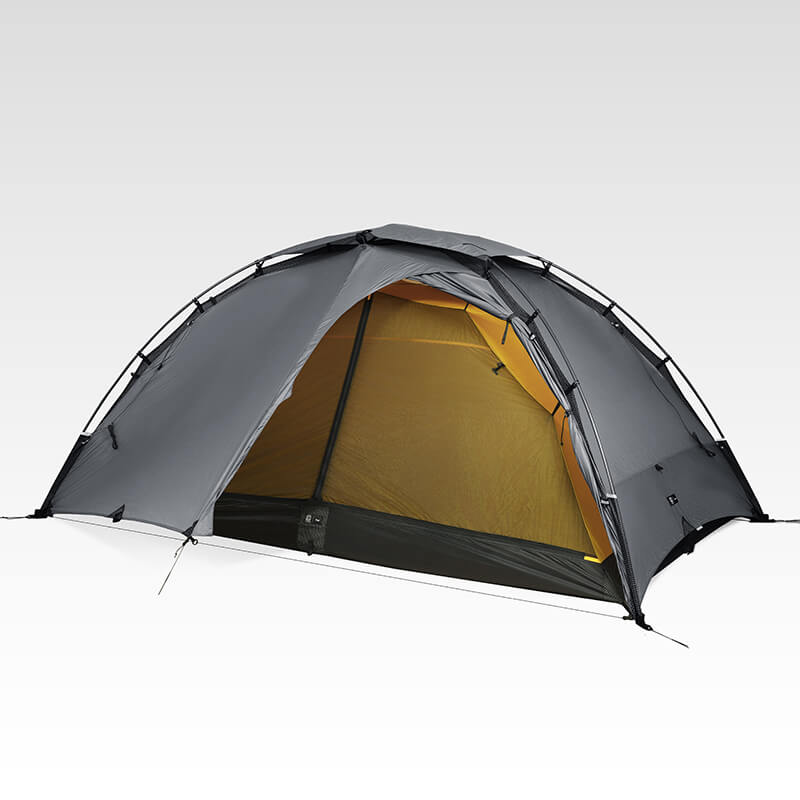
The regular X-Mid 1 is a double-wall trekking pole tent. That means the inner mesh tent and outer fly are separate. In damp UK weather, this is a big advantage, as condensation on the fly is less likely to contact your sleeping bag or clothing.
The X-Mid Pro 1 uses Dyneema fabric and a hybrid single-wall design. This saves a lot of weight, but it also means condensation management becomes more important. Durston includes dual-peak vents and offers strong weather protection, but single-wall shelters naturally demand more of the user in cold, still, wet camps.
UK Condensation Reality
For British backpacking, condensation is not a rare problem. It is normal. Wet grass, cool nights, still valleys, boggy pitches, and closed tent doors all increase moisture inside a shelter. In this part of the X Mid 1 vs X Mid Pro 1 comparison, the regular X-Mid 1 feels more forgiving.
Reddit users in the ultralight community also raised this exact issue. Several comments focused on whether the Pro’s weight savings are worth the trade-off in condensation, DCF lifespan, and cost. Dan Durston himself summarised the choice clearly in that discussion: choose the Pro if weight saving matters a lot and you are okay with wiping condensation sometimes, but choose the regular 1P if you want a lower price, double-wall protection, and the best value.
Durability and Materials
The X-Mid 1 uses a 15D polyester fly and a 15D nylon floor. The fly fabric is non-sag polyester, which is useful in rain because it does not absorb water and loosen as much as nylon. The fly zippers are YKK number 5 AquaGuard, which are stronger than the Pro’s lighter zipper choice.
The X-Mid Pro 1 uses 0.55 oz Dyneema Composite Fabric for the canopy, with either a woven or Dyneema floor option. Dyneema is very lightweight, highly waterproof, and does not sag like coated woven fabrics. However, it is expensive and generally needs more careful handling.
Long-Term Value
This is where the regular X-Mid 1 wins for many UK users. If you camp often on rough ground, pack in wet weather, pitch near heather or stone, or want a tent for several seasons of use, the regular version makes more financial sense. The Pro is not fragile, but it is a premium ultralight shelter, and premium ultralight gear always asks for more care.
Interior Space and Comfort
Both tents are spacious for solo trekking pole shelters. The X-Mid 1 has a 93-inch floor length, 33-inch width, and 47-inch peak height. The X-Mid Pro 1 has a 90-inch floor length, 32-inch width, and 45-inch peak height, but Durston describes it as having excellent usable volume thanks to its geometry and long ridgeline.
In practice, both are comfortable solo shelters. The Pro may feel more open inside because of its hybrid design and usable volume. At the same time, the regular X-Mid 1 gives the psychological comfort of a separate inner wall in wet weather.
Which One Should UK Backpackers Choose
Choose the X-Mid 1 if you want better value, double-wall protection, stronger zippers, and a more forgiving tent for damp UK camps. It is the better pick for most weekend backpackers, wild campers, and hikers who want one reliable shelter for mixed British weather.
Choose the X-Mid Pro 1 if you are focused on ultralight backpacking, long-distance routes, fast trips, or reducing every gram in your pack. It is the more premium shelter, and the weight savings are impressive, but the price and single-wall condensation trade-off are real.
Final Verdict
The X Mid 1 vs X Mid Pro 1 debate is not about which tent is better overall. It is about which compromise fits your trips.
For typical UK backpacking, the X-Mid 1 is the more sensible tent. It is lighter than many traditional shelters, more affordable, double-walled, and better suited to wet overnight conditions. The X-Mid Pro 1 is the specialist choice for hikers who value weight saving above almost everything else and are comfortable managing condensation and caring for expensive Dyneema fabric.

Commenta
Questo sito è protetto da hCaptcha e applica le Norme sulla privacy e i Termini di servizio di hCaptcha.