
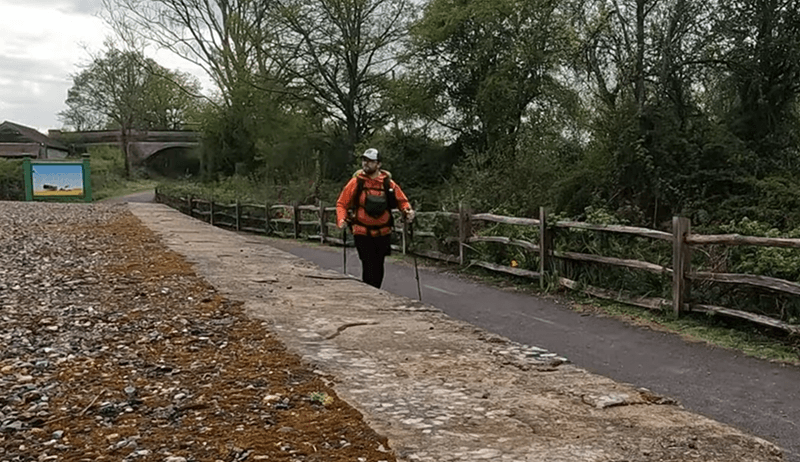
Trekking poles are one of those bits of hiking gear people either love or ignore completely. In the UK, they can be genuinely useful, especially if your routes include steep descents, wet paths, boggy ground or long backpacking days.
The biggest benefit is stability. UK trails are often uneven, muddy and slippery. Poles give you two extra points of contact, which helps on wet rock, loose gravel and grassy slopes. They are especially helpful in places like the Lake District, Snowdonia, the Peak District and the Scottish Highlands.
They also reduce strain on your knees during descents. This matters more than people expect. A long downhill section with a heavy pack can be harder on the body than the climb. Poles help spread some of that load through your arms and shoulders.
For backpackers, trekking poles can do double duty. Many lightweight tents use trekking poles as part of the shelter structure. If you already carry poles, this can reduce tent weight. Just make sure your poles are adjustable and strong enough for your shelter.

The downside is that poles can feel awkward at first. They are another thing to carry, and they can get in the way on scrambles or narrow paths. Some hikers prefer to keep their hands free. Others only use one pole.
For UK hiking, adjustable poles are best. You can shorten them for climbs, lengthen them for descents and set them correctly for a trekking pole tent. Flick locks are often easier to adjust with cold hands than twist locks.
Trekking poles are not essential for every walk. For a flat woodland path, you may not need them. For steep, wet or long routes, they can make the day more comfortable and safer.
If you are unsure, try one pair on a hilly route before dismissing them. They are not just for older hikers or serious mountaineers. Used well, they are practical tools for ordinary British walking.

Commenta
Questo sito è protetto da hCaptcha e applica le Norme sulla privacy e i Termini di servizio di hCaptcha.