

Choosing between an inflatable sleeping pad and a foam mat is one of the classic camping gear decisions. Both work. Both have loyal fans. For UK camping and backpacking, the right choice depends on comfort, pack size, durability and how much risk you are willing to accept.
An inflatable sleeping pad is usually more comfortable. It gives more cushioning, especially for side sleepers. If you struggle to sleep on hard ground, an inflatable pad can transform your camping experience. Many modern pads are thick enough to smooth out small bumps in the ground.
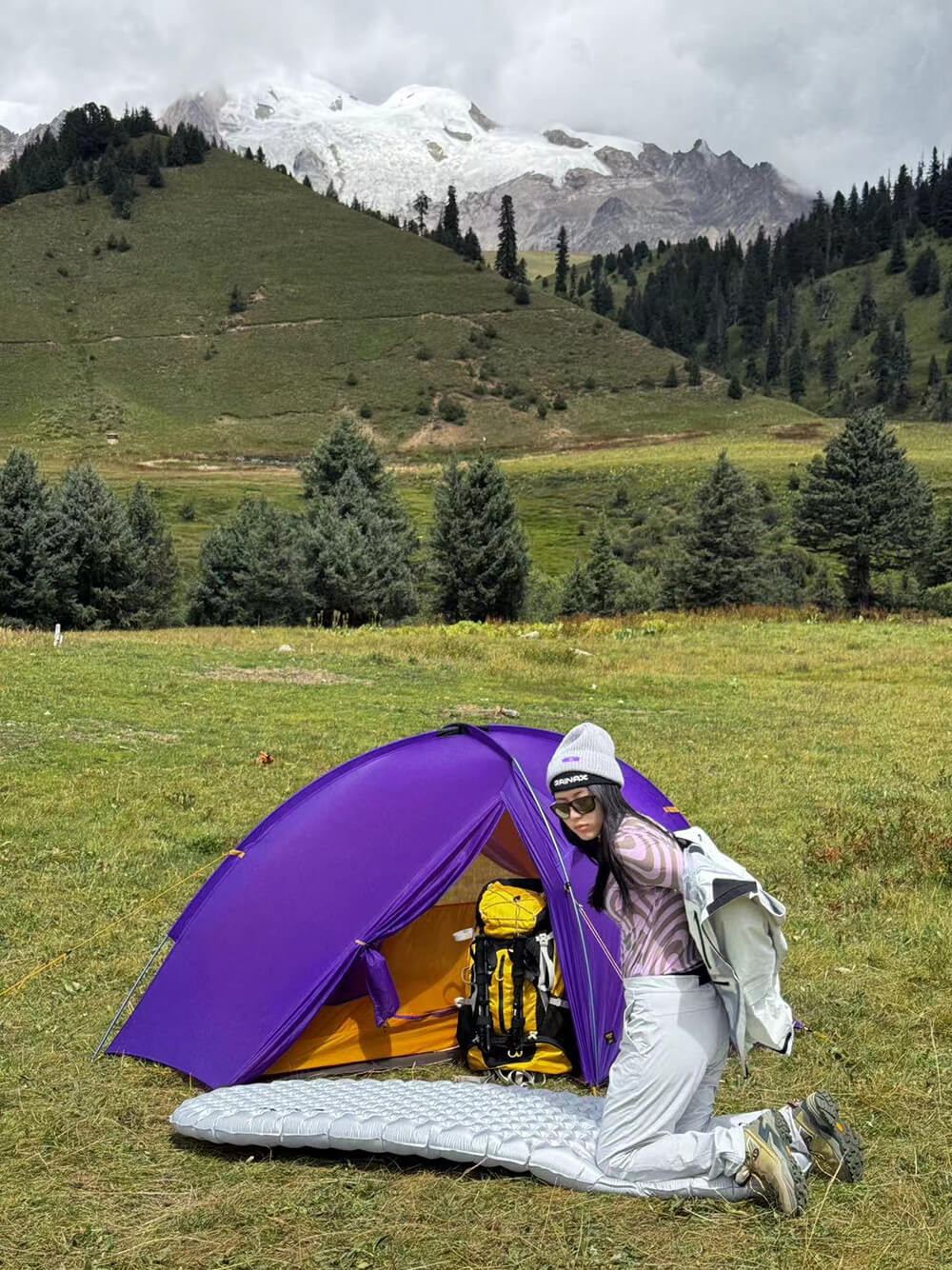
Inflatable pads also pack much smaller than foam mats. This is a major advantage for backpacking. A compact sleeping pad fits easily inside a rucksack, while a foam mat often has to be strapped outside. In wet UK weather, keeping gear inside the pack is usually better.

Warmth depends on design. Some inflatable pads are lightly insulated and intended for summer use. Others have high R values and work well in cold conditions. Always check the R value rather than assuming thicker means warmer.
The weakness of inflatable pads is puncture risk. Sharp stones, thorns, grit or rough tent floors can damage them. A small leak can leave you on the ground by morning. This is why it is worth carrying a repair patch and choosing pitches carefully.
Foam mats are much tougher. A closed-cell foam mat cannot puncture in the same way. It may dent or tear, but it will still work. This makes foam mats reliable for rough ground, winter use, festivals, emergency backup and hikers who do not want to worry about leaks.
Foam mats are also quick. Unroll or unfold the mat and it is ready. There is no inflation, deflation or valve to deal with. On cold, wet evenings, that simplicity is appealing.
The downside is comfort and bulk. Foam mats are thinner and less forgiving, especially for side sleepers. They also take up more space. Many backpackers attach them outside the pack, where they can catch on branches or get wet and muddy.
Some UK backpackers use both. A thin foam mat under an inflatable pad adds protection, warmth and backup. This is common in winter or on rough ground. It adds weight and bulk, but it gives confidence.
For most three-season UK backpacking, an inflatable sleeping pad is the more comfortable and packable choice. Choose one with a suitable R value and carry a repair kit. For rough use, tight budgets or maximum reliability, a foam mat still makes sense.
If you sleep badly outdoors, try an inflatable pad. Better sleep can improve the whole trip. But if you value simplicity and toughness above comfort, foam remains hard to beat.

Commenta
Questo sito è protetto da hCaptcha e applica le Norme sulla privacy e i Termini di servizio di hCaptcha.