
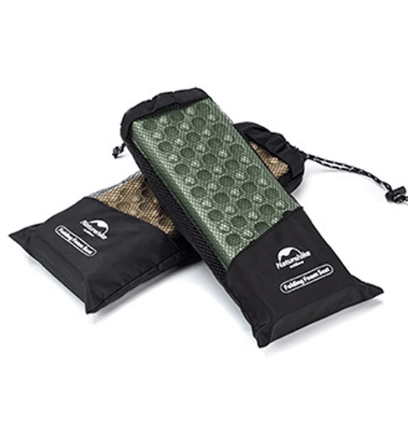
A sit mat is not essential, but once you start carrying one, it is hard to stop. In the UK, where benches are rare and the ground is often wet, a small mat makes breaks much more comfortable.
The main job is simple: it gives you somewhere dry to sit. Wet grass, cold rock and muddy ground are all common on British walks. A sit mat keeps your trousers drier and makes lunch stops more pleasant.
It also adds insulation. Sitting on cold ground quickly pulls heat away from your body. In winter, a small foam mat can make a noticeable difference during breaks.
Foam sit mats are cheap, light and reliable. Folding versions are easy to pack and can slide into an outer pocket. Inflatable sit pads are more comfortable but more fragile and slower to use.

For backpacking, a sit mat can double as camp gear. Use it outside the tent door, under your knees while cooking, or as extra padding under your feet at night. Some hikers use it as a frame sheet in frameless packs.
It can also be useful in an emergency. If someone needs to sit or lie on cold ground, a foam mat helps reduce heat loss. It is not a substitute for proper emergency gear, but it helps.
The best sit mat is one you actually carry. It should be light, tough and quick to use. If it is too bulky, you will leave it at home.
For hiking in the UK, a basic closed-cell foam sit mat is probably the best choice. It is cheap, waterproof and almost impossible to break. Not exciting, but genuinely useful.

Commenta
Questo sito è protetto da hCaptcha e applica le Norme sulla privacy e i Termini di servizio di hCaptcha.