
Wet feet are part of hiking in the UK. You can start on a dry path and still end up crossing boggy ground, long wet grass or muddy field edges within an hour. That is why many hikers end up asking the same question: are waterproof socks or gaiters better?
Waterproof socks are useful when water is likely to come through your footwear. They work especially well with trail shoes, lightweight walking shoes or older boots that are no longer fully waterproof. They keep your feet warmer in cold rain and can make wet ground feel less miserable.
The downside is breathability. Waterproof socks can feel warm and sweaty on long days. If water gets in over the top, it may stay there. They are best used with sensible expectations: they help manage wet feet, but they do not create a magic dry bubble.
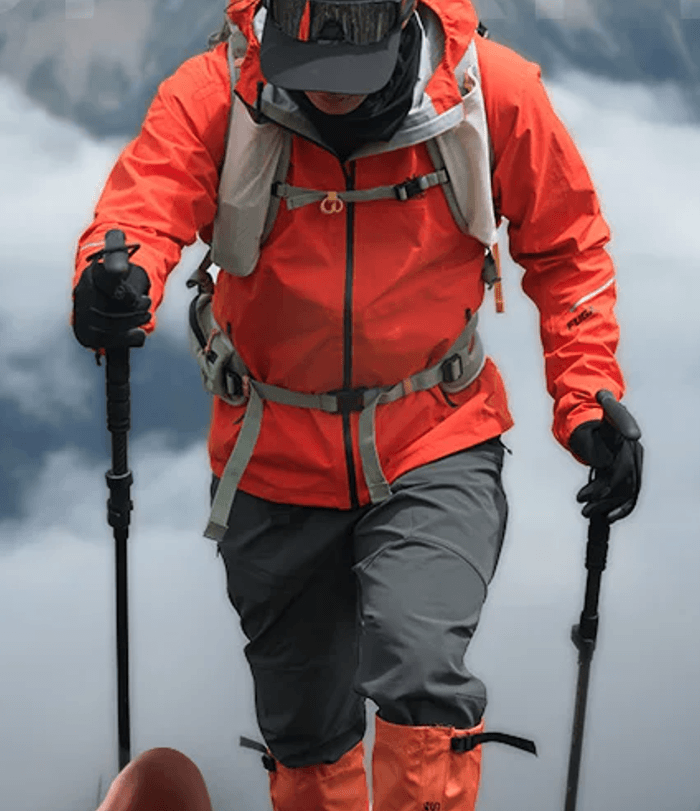
Gaiters work differently. They protect the top of your boots and lower trousers from wet grass, mud and debris. Short gaiters are good for trail shoes and summer use. Taller gaiters are better for boggy moorland, winter mud and heather.
If you wear waterproof boots, gaiters often make more sense than waterproof socks. They stop water running down into the boot and help keep mud away from laces. For routes in Wales, the Lake District and Scotland, that can be very useful.
For trail shoes, waterproof socks may be the better choice. Trail shoes dry faster than boots, but they let water in easily. A waterproof sock gives warmth and comfort when the shoe itself is soaked.
Some hikers use both in winter or very wet conditions. That can work, but it may be too warm for mild weather.
For most UK hikers, the best answer is simple: use gaiters with boots, waterproof socks with trail shoes, and choose based on temperature. In warm rain, accept wet feet and focus on quick drying. In cold wet weather, keeping feet warm matters more than keeping them perfectly dry.
Commenta
Questo sito è protetto da hCaptcha e applica le Norme sulla privacy e i Termini di servizio di hCaptcha.