
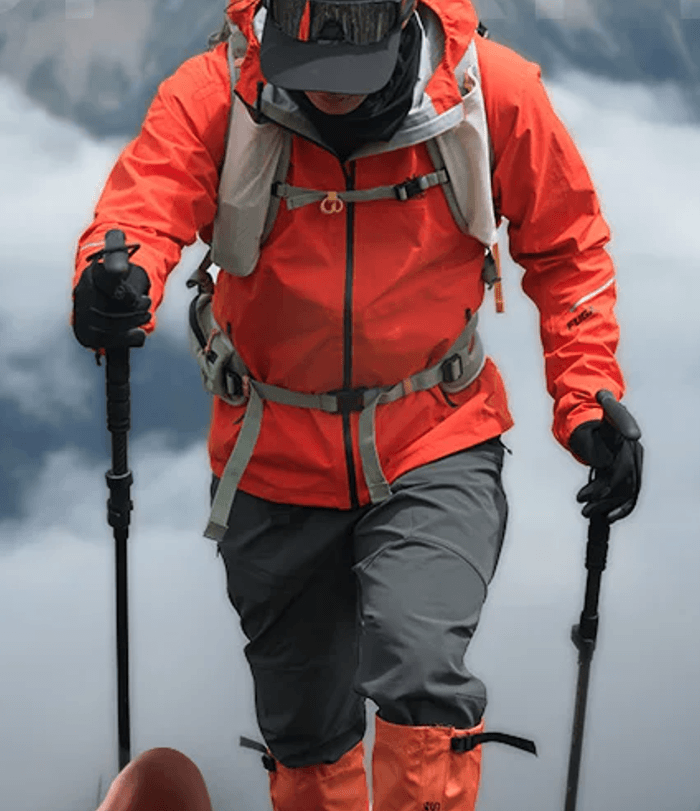
Choosing a daypack sounds easy until you start packing for a proper UK hill walk. Waterproof jacket, spare layer, food, water, map, first aid kit, headtorch, gloves and maybe waterproof trousers all take space. A tiny pack can look neat at home but feel annoying on the hill.
For short lowland walks in good weather, a 15 to 20 litre pack may be enough. It will hold water, snacks, a light waterproof and a few small items. This is fine for local paths, summer woodland walks and easy half-day routes.
For most UK day hikes, 20 to 30 litres is the sweet spot. A 25 litre pack is probably the most versatile size for many hikers. It has room for waterproofs, lunch, spare fleece, hat, gloves, first aid kit and navigation tools without feeling bulky.
For mountain days, winter walks or routes in Scotland and Wales, 30 to 35 litres is often more comfortable. Extra space helps when carrying warmer layers, waterproof trousers, emergency shelter, more food and a flask.

Do not choose only by litre size. Fit matters. A good daypack should sit close to your back, not swing around. Hip belts are useful when carrying heavier loads, although many small packs only have simple webbing straps.
Pockets also matter. Side pockets for water bottles, a top pocket for small items and a front stash pocket for a wet waterproof can make the pack much easier to use.
A rain cover is useful, but do not rely on it completely. In British rain, water can still get through seams or around the back panel. A pack liner or dry bag for spare clothes is a safer option.
If you are unsure, choose around 25 to 30 litres. It is large enough for serious day hiking but not too big for casual walks. The best daypack is not the smallest one you can manage. It is the one that carries your safety gear comfortably.

Commenta
Questo sito è protetto da hCaptcha e applica le Norme sulla privacy e i Termini di servizio di hCaptcha.