
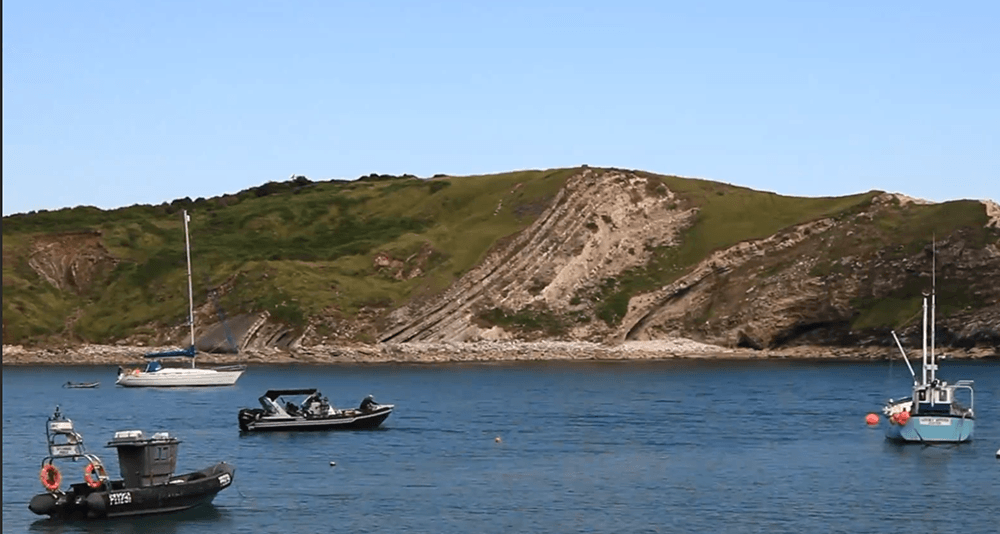
The Jurassic Coast is one of the most distinctive coastal walking areas in England. Stretching through East Devon and Dorset, it forms part of the South West Coast Path and is England’s only natural UNESCO World Heritage Site. For walkers, its appeal is not only the sea view, but the strange feeling that every cliff, beach and headland is showing a different chapter of the Earth’s history.
A good starting point is Exmouth, often described as the gateway to the Jurassic Coast. From there, the route follows the acorn waymarks of the South West Coast Path eastwards, passing through places such as Sidmouth, Seaton, Lyme Regis, Weymouth, Lulworth Cove, Swanage and Studland. The whole section can be walked over several days, but many people choose shorter parts, especially around Lyme Regis, Golden Cap, Chesil Beach, Durdle Door or Old Harry Rocks.
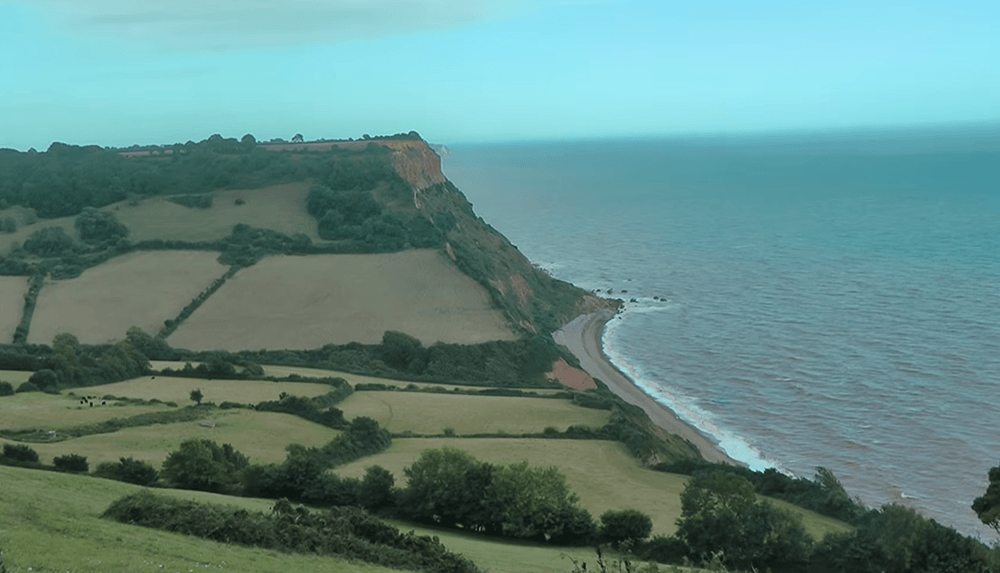
What makes the Jurassic Coast special is its geology. The landscape is not uniform; it changes constantly. Around Sidmouth, the cliffs are a deep red, especially striking in low evening light. Near Beer, the rock turns creamy-grey limestone. Further east, around Old Harry Rocks, the cliffs become soft white chalk. This changing coastline reveals around 185 million years of natural history, which is why the area is often described as a playground for geologists. Even if you know very little about rocks, you can still feel the age of the place.
The scenery is varied and memorable. Chesil Beach is a huge shingle barrier, long and exposed, with the Fleet Lagoon behind it. The Isle of Portland rises almost like a stone fortress from the sea. Durdle Door is the famous limestone arch, probably the most photographed landmark on this coast. Lulworth Cove feels almost perfectly shaped, while Swanage and Lyme Regis bring a more traditional seaside atmosphere, with cafés, beaches, small shops and holiday crowds in summer.

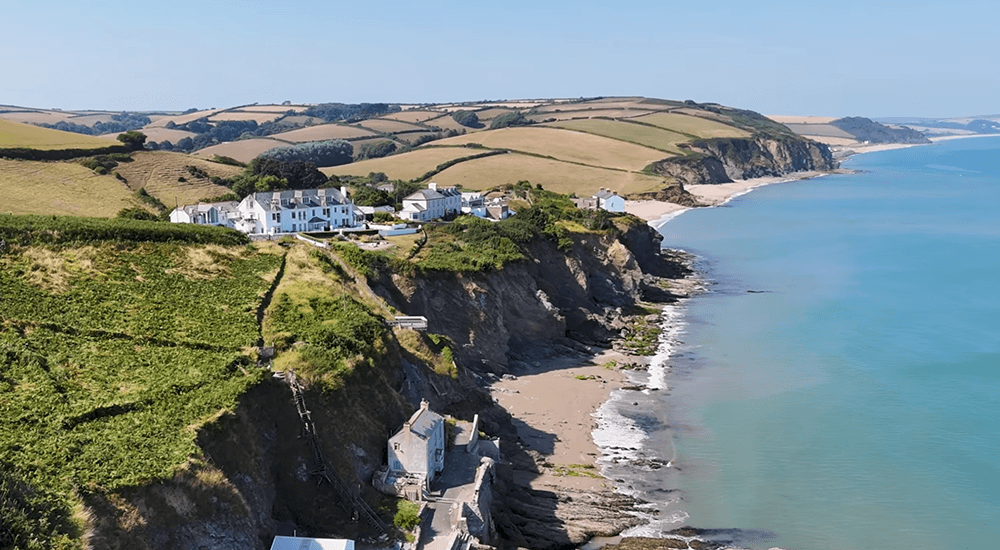
As a walking route, the Jurassic Coast is beautiful but not always gentle. Some sections are straightforward, while others involve steep climbs, slippery paths and exposed cliff-top walking. After rain, muddy tracks can become awkward. The geology that makes this coast so famous also makes it unstable. Cliff falls and landslips are real risks, particularly around Sidmouth and parts of West Dorset. Walkers should check route updates before setting out, stay back from cliff edges, and never ignore warning signs.
Planning matters here. The path itself is free to walk, but you may pay for parking, buses, accommodation, food or campsites. Public transport is useful in places, though not always frequent, so check times carefully. In summer, popular areas such as Durdle Door, Lulworth Cove and Lyme Regis can be very busy. Starting early often makes the walk more enjoyable.
The Jurassic Coast is best approached slowly. It is not just a scenic coastal path; it is a walk through time, weather and changing rock. One moment you are above red cliffs with the sea below, the next you are descending into a seaside town for tea or fish and chips. That mixture of wild landscape, scientific interest and classic English seaside charm is what makes the Jurassic Coast one of the finest walking experiences in southern England.

Commenta
Questo sito è protetto da hCaptcha e applica le Norme sulla privacy e i Termini di servizio di hCaptcha.