
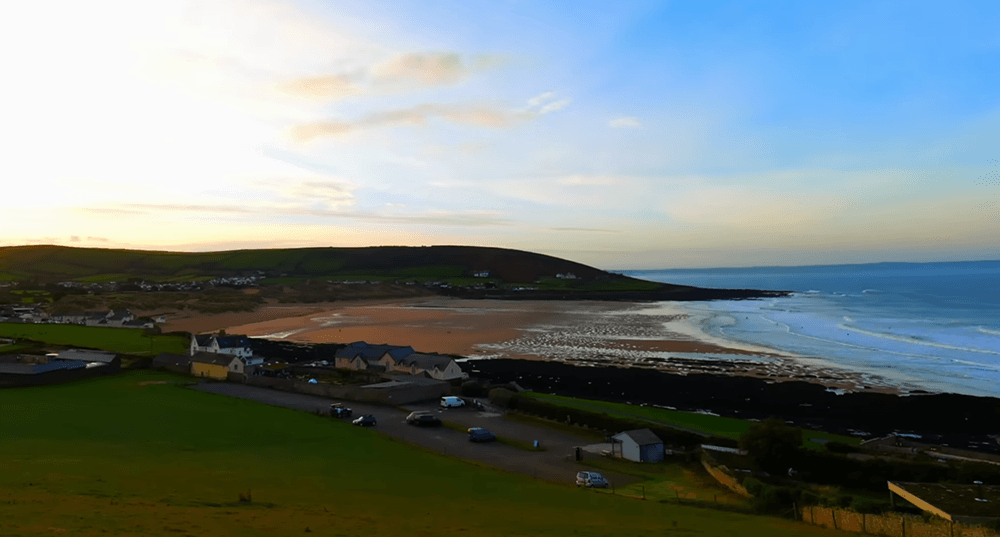
North Devon is one of the most varied stretches of the South West Coast Path. It covers around 80 miles of coastline and has a different feel from both North Cornwall and South Devon. Here the path looks out mainly across the Bristol Channel, so the sea can feel wide and moody rather than bright and tropical. The landscape moves between high cliff paths, long sandy beaches, dunes, marshland, river estuaries, old railway lines and small coastal communities.
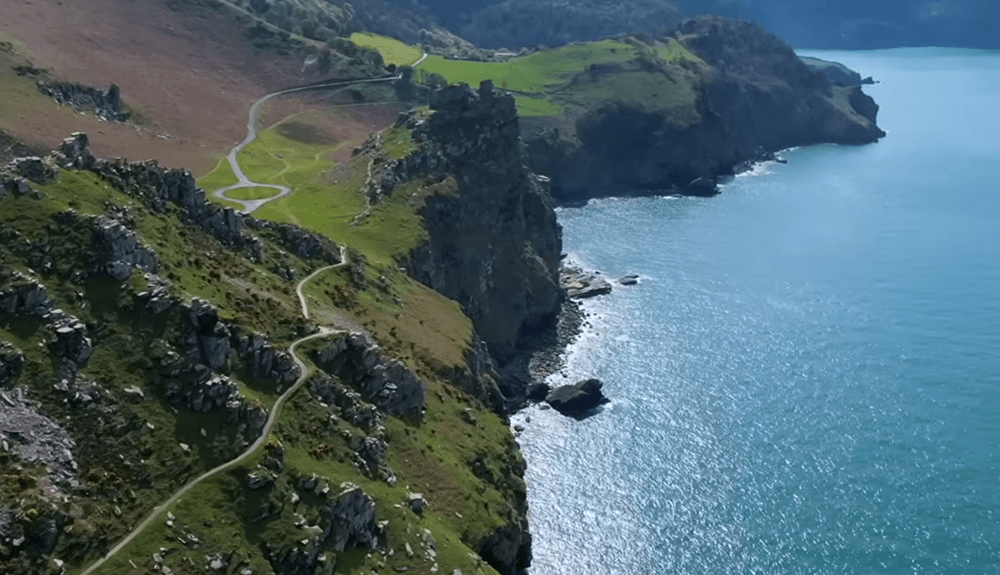
One of the most impressive things about North Devon is the scale of its views. Places such as Combe Martin, Ilfracombe, Lee Bay and Mortehoe give walkers those classic high-level coastal panoramas, with cliffs dropping away and the channel stretching into the distance. Ilfracombe is a useful stopping point, with a harbour, cafés and accommodation, while Mortehoe feels quieter and more rugged. This part of the route can be windy and exposed, so even on a mild day it is worth carrying an extra layer.
Further west, the mood changes around Woolacombe, Croyde and Saunton Sands. These are some of the best-known surfing beaches in the region, with broad golden sand and a more relaxed outdoor culture. Woolacombe is especially popular in summer, while Croyde has a strong surf village atmosphere. Behind Saunton Sands lies Braunton Burrows, one of the largest sand dune systems in the British Isles. It is also part of the North Devon UNESCO Biosphere Reserve, which makes this section especially interesting for walkers who enjoy wildlife and coastal ecology.

In the middle of the North Devon stretch, the path reaches the Taw and Torridge estuary. This area feels very different from the cliff sections. The walking becomes flatter in places, following old railway lines around the estuary and crossing through Barnstaple and Bideford. It may not be the wildest part of the Coast Path, but it shows how the route links working towns, river landscapes and coastal communities. Appledore and Instow are particularly pleasant stops, with waterfront views and places to eat.
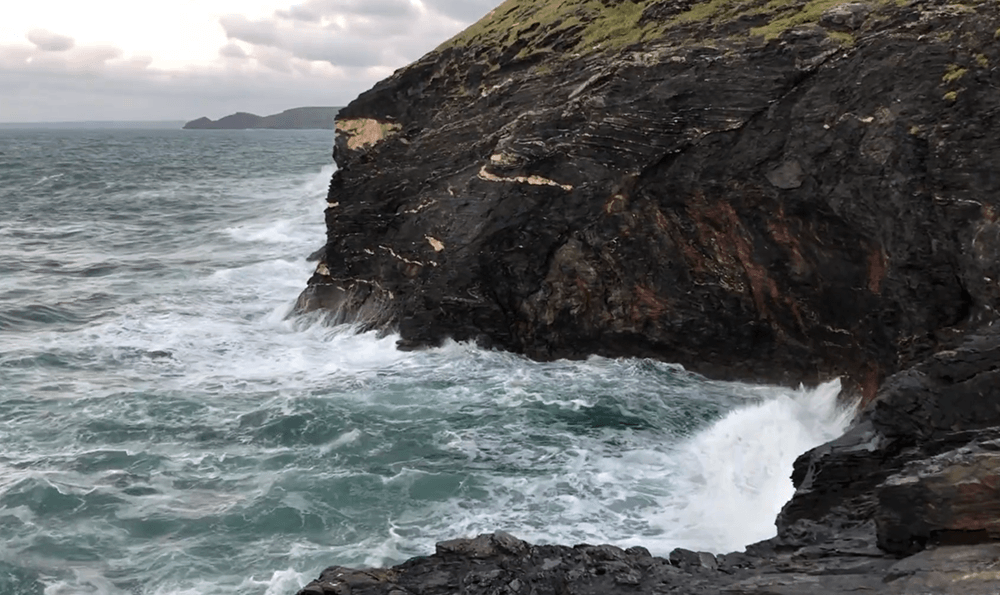
Beyond Westward Ho!, the coast starts to feel more dramatic again. Clovelly is one of the most memorable villages on the route, with steep cobbled streets dropping towards a small harbour. It is touristy, but still distinctive and worth seeing. The final approach towards Hartland Point is much wilder. This is one of the defining headlands of the South West Coast Path, where the route changes direction and the scenery becomes darker and more Atlantic-facing. Jagged rocks, heavy cliffs and rougher seas give this section real character.
North Devon is free to walk, but planning still matters. Accommodation, food, buses, parking and possible luggage transfer are the main costs. The route includes easy estuary walking as well as tougher cliff sections, so daily distances should be planned carefully. Waterproof clothing, good shoes, water, snacks and an offline map are sensible. After storms, trees, erosion or path damage can affect access, so it is worth checking route updates before setting out.
For walkers, North Devon offers a strong mixture: surf beaches, nature reserves, fishing villages, estuaries and hard-edged headlands. It is less famous than Cornwall, but that is part of its appeal. It feels spacious, varied and properly coastal, with enough comfort in the towns and enough wildness near Hartland to make the journey feel earned.

Commenta
Questo sito è protetto da hCaptcha e applica le Norme sulla privacy e i Termini di servizio di hCaptcha.