
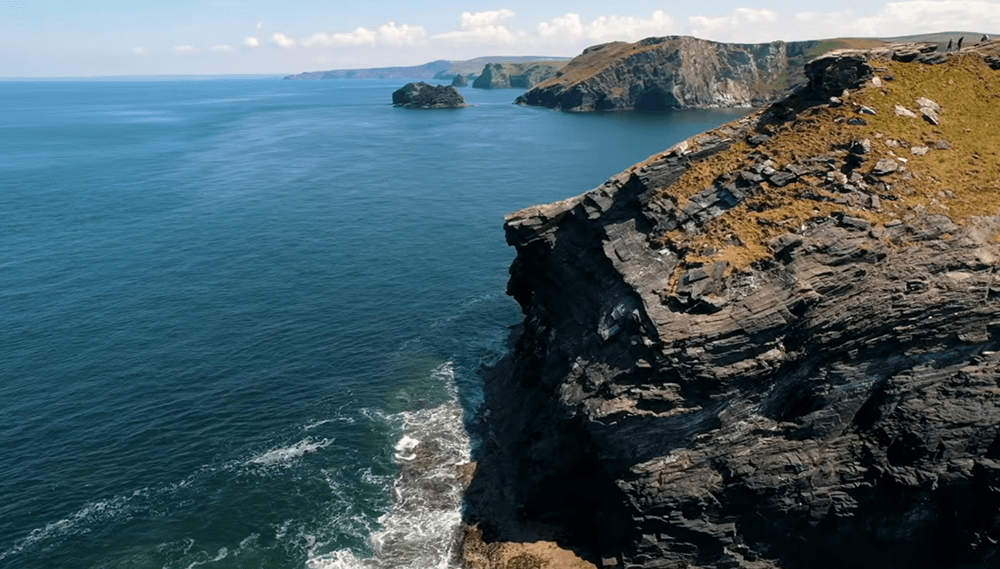
South Cornwall is one of the calmer and more sheltered sections of the South West Coast Path. Compared with the wild Atlantic edge of North Cornwall, this side of the county feels softer, slower and more settled. That does not mean it is boring. The route still has steep climbs, open headlands, sandy coves and long sea views, but it also has estuaries, ferry crossings, old harbours and small villages where the pace naturally drops.
A good way to understand South Cornwall is to start with the Fal Estuary. It is one of the largest natural harbours in the world, and the ferry crossing gives this part of the walk a maritime character from the beginning. After the Fal, the path reaches the Roseland Peninsula, an Area of Outstanding Natural Beauty. This is one of the loveliest parts of the route: green fields, quiet lanes, sheltered beaches and views across blue water. St Mawes is a highlight, with its well-preserved Tudor castle standing above the harbour.
Further east, the coast opens towards St Austell Bay. This section brings together several different sides of Cornwall. Mevagissey is an attractive harbour village, once important for the pilchard fishing industry. Charlestown feels different again, with its late Georgian working port and tall ships atmosphere. Par Sands offers a broader, easier beach landscape, while the Eden Project, only a short distance inland, adds another layer to the area’s story. Built in a former china clay pit, it reminds visitors that Cornwall is not only about beaches, but also industry, mining and reinvention.

After Gribbin Head, the path reaches Fowey, one of South Cornwall’s most charismatic towns. The river setting, narrow streets and boats on the water make it a rewarding stop, especially after a long day on the cliffs. Across the water sits Polruan, its smaller sister village. From here the route continues towards Looe, a popular holiday town with beaches, fishing boats and plenty of places to eat.
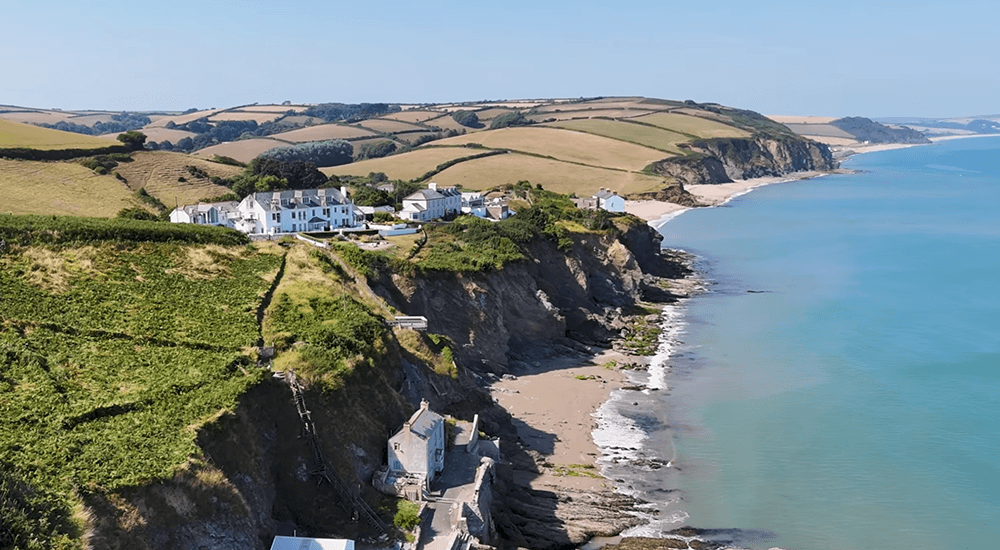
One of the most memorable later sections is Whitsand Bay, a huge sweep of sand backed by cliffs. It feels open and dramatic, especially in windy weather. Beyond it lies the Rame Peninsula, sometimes called Cornwall’s “forgotten corner”. This area is quieter than many famous Cornish resorts, with tidal creeks, rolling fields, sandy beaches and country parks. It is a good place for walkers who want space rather than crowds.
South Cornwall is free to walk, but costs may include ferries, accommodation, food, parking and local transport. The walking is generally less exposed than some parts of the South West Coast Path, but it still requires proper shoes, waterproof clothing and sensible planning. Ferry times and tide times matter, especially around estuaries and beaches. In summer, villages such as Fowey, Mevagissey and Looe can be busy, so booking ahead is wise.
What makes South Cornwall special is its balance. It has enough cliffs and headlands to feel like a real coastal walk, but also enough harbours, gardens, ferry rides and sheltered bays to feel relaxed. It is a section best enjoyed slowly, with time for seafood, village streets, quiet coves and long pauses above the water.

Commenta
Questo sito è protetto da hCaptcha e applica le Norme sulla privacy e i Termini di servizio di hCaptcha.