
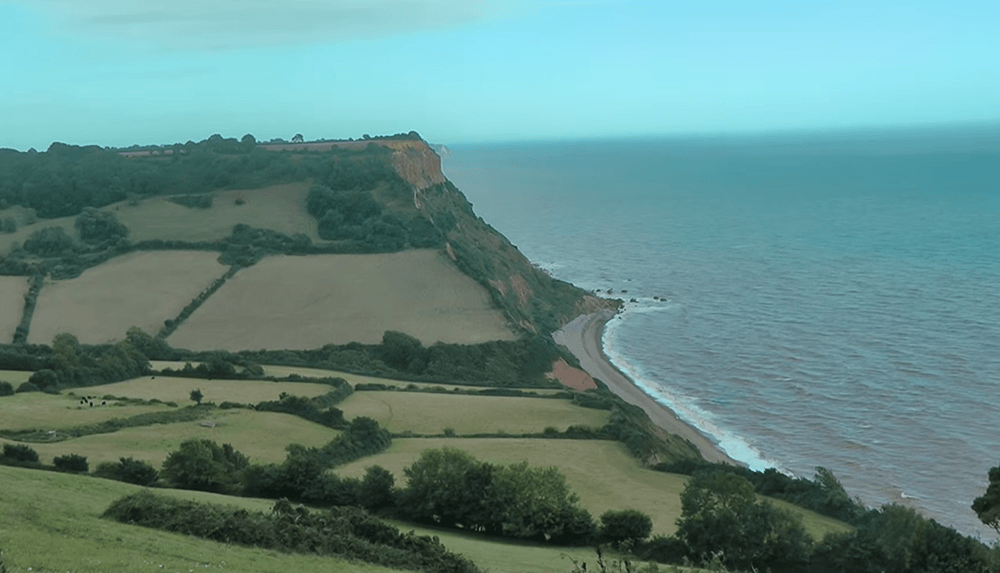
If someone says “south coast walk England”, they are usually talking about one of the most rewarding walking experiences in the country: long sea views, chalk cliffs, fishing towns, wind-blown headlands, tidal beaches and surprisingly tough climbs. As someone used to walking in the UK, I would say the south coast is not one single trail, but a collection of excellent routes. The best-known include the South West Coast Path, the South Downs Way, sections of the King Charles III England Coast Path, and the Jurassic Coast in Dorset.
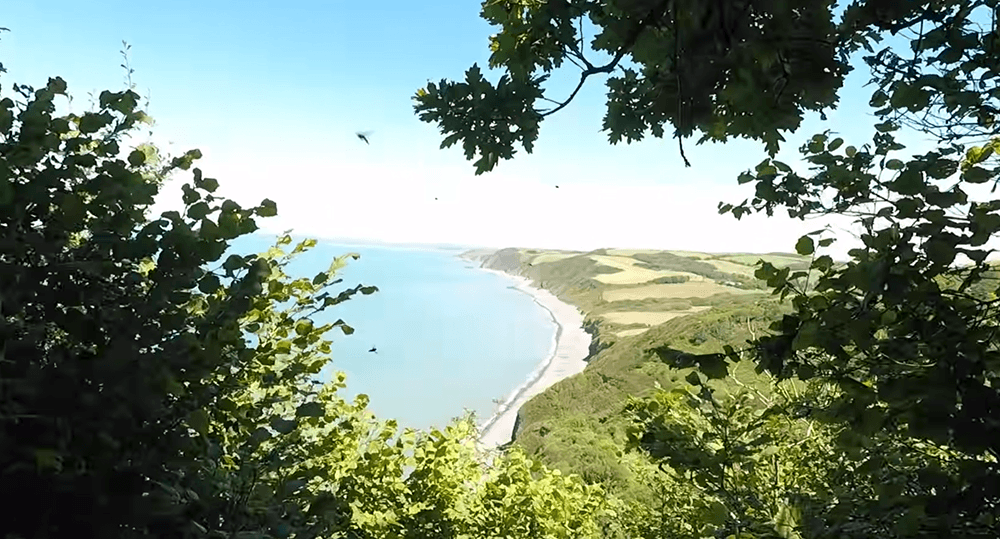
The most famous option is the South West Coast Path. It starts at Minehead and continues around Devon, Cornwall and Dorset to Poole Harbour. It is about 630 miles long, so most walkers choose shorter sections. The scenery is outstanding, but do not underestimate it. Coastal walking in the South West often means constant climbing and descending. A day that looks easy on distance may feel hard because of steep steps, muddy paths and exposed cliffs.
For a gentler but still dramatic experience, the South Downs Way is a strong choice. It runs from Winchester to Eastbourne and finishes near the Seven Sisters cliffs. This route is inland for much of the way, crossing open chalk hills, farmland and old tracks, but the coastal ending is one of the finest views in southern England. It is usually easier underfoot than the South West Coast Path, although wind, sun exposure and long open sections can still make it tiring.

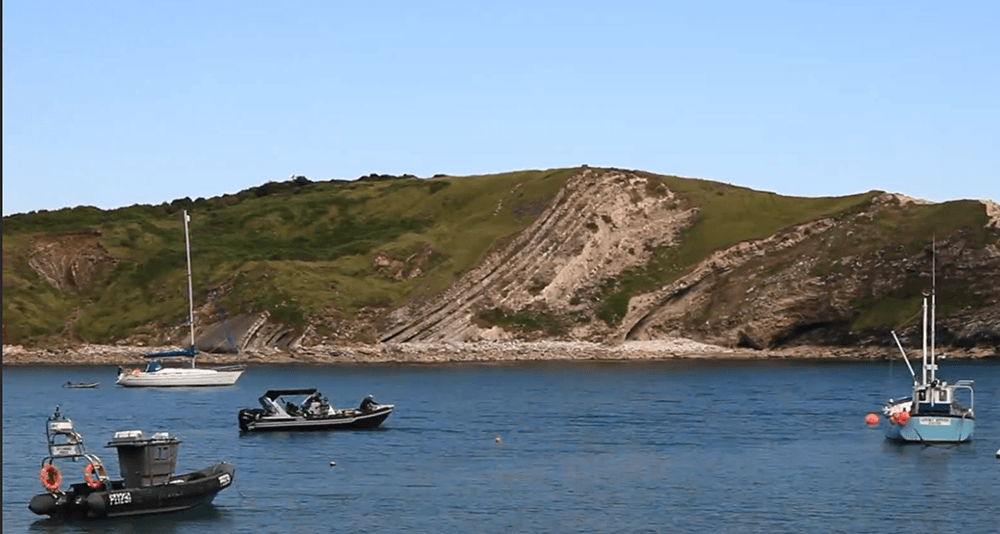
Dorset’s Jurassic Coast is another classic. Walks around Lyme Regis, Golden Cap, Lulworth Cove and Durdle Door combine sea views with geology, cliffs and beaches. This area is beautiful but busy in summer, especially around car parks and famous viewpoints. If you want a quieter walk, start early or choose a weekday outside school holidays.
The south coast is generally free to walk. You do not need a permit for public footpaths or National Trail sections. However, you should expect costs for parking, buses, trains, accommodation, campsites, food and possibly luggage transfer. Wild camping in England is generally not allowed without the landowner’s permission, so plan proper overnight stops.
Weather is the thing beginners often misjudge. Southern England can feel mild, but the coast changes quickly. You may get bright sun, sea mist, strong wind and rain in the same day. Always carry a waterproof jacket, an extra layer, water, snacks and a charged phone. I also recommend an offline map, because signal can disappear in coves, valleys or remote cliff sections.
Safety matters on the south coast. Stay away from cliff edges, especially after rain or storms, because erosion is common. Check tide times before walking across beaches or using low-tide shortcuts. Do not climb unstable cliffs, ignore warning signs or stand under overhanging rock faces. Keep dogs under control near livestock and cliff paths, close gates behind you, and take all litter home.
The best time to walk is usually April to October. May, June and September are especially good: long daylight, pleasant temperatures and fewer crowds than peak summer. In July and August, book accommodation early and carry more water. In winter, the coast can still be beautiful, but mud, wind and shorter daylight make planning more important.
For a first trip, I would choose a manageable section rather than trying to cover too much. Eastbourne to Seaford, Lyme Regis to Charmouth, Lulworth Cove to Durdle Door, or St Ives to Zennor are all memorable walks. The real pleasure of walking England’s south coast is not just reaching the end point. It is the rhythm of sea air, changing light, tired legs, small villages and the feeling that every headland hides another view.

Commenta
Questo sito è protetto da hCaptcha e applica le Norme sulla privacy e i Termini di servizio di hCaptcha.