
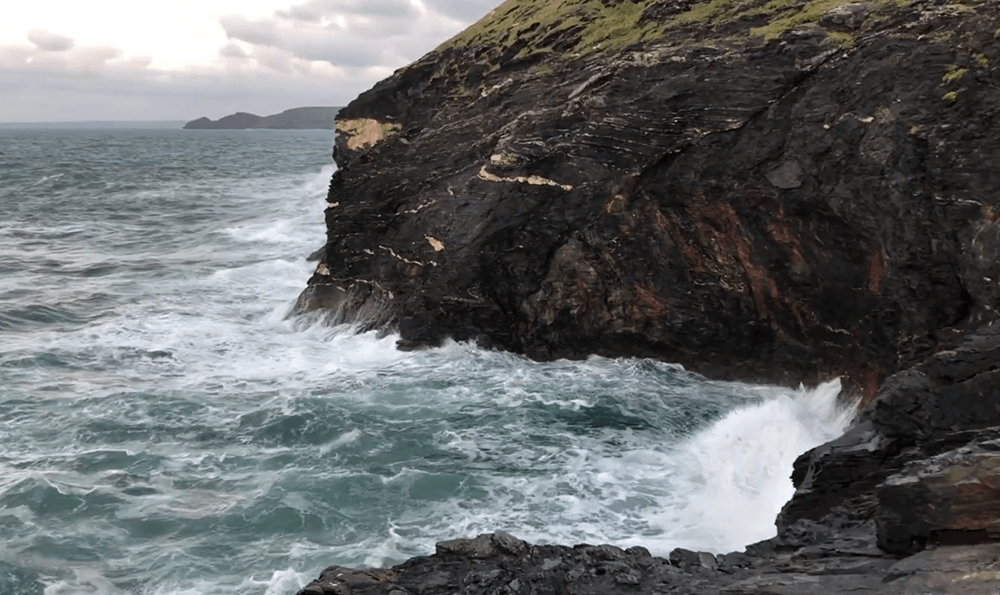
North Cornwall is one of the toughest and most rewarding sections of the South West Coast Path. It is not the soft, postcard version of Cornwall. This coast is exposed, rugged and physically demanding, with steep climbs, deep valleys, huge cliffs and Atlantic winds that often arrive with real force. For walkers who enjoy a sense of wildness, North Cornwall is hard to beat.
The official South West Coast Path description is right to warn that this is “calf-busting” country. This section includes more than 2,500 metres of ascent, so distance alone does not tell the full story. A short day on the map can still feel hard when the path keeps dropping into coves and climbing back to the cliff tops. Much of the route faces the prevailing westerly winds from the Atlantic, which adds to the challenge, especially on open headlands.
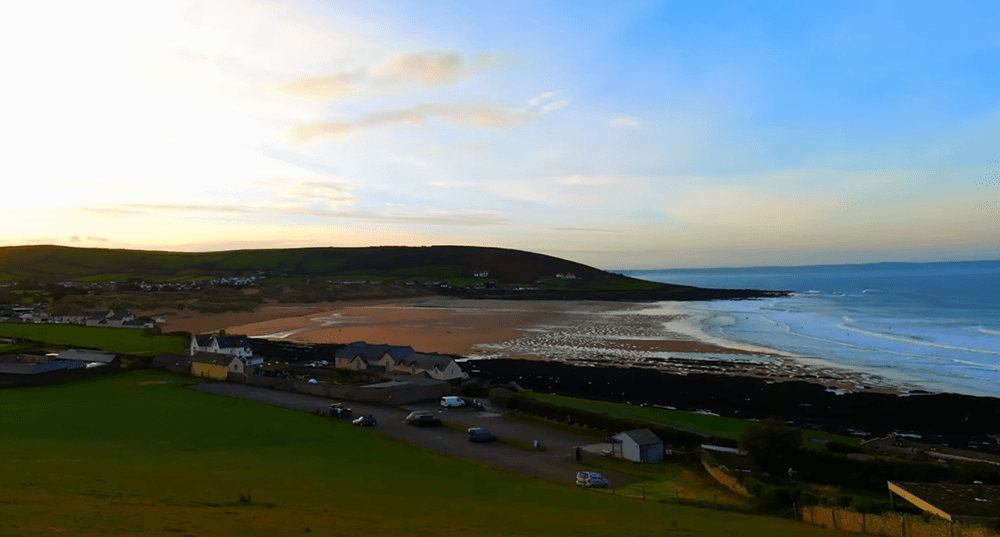
Bude is a natural place to begin. It is Cornwall’s northernmost surf town, with beaches, a sea pool, cafés and a lively outdoor feel. It is a good place to get into the rhythm of the coast before the route becomes quieter and more remote. Leaving Bude, the path heads into a wilder stretch towards Crackington Haven and Boscastle. Here the cliffs feel large and serious, and the sea often seems far below. Boscastle itself is a beautiful harbour village with a dramatic setting, also remembered for the severe floods of 2004. Walking out of the village involves a steep climb, but the reward is a wide coastal view that makes the effort worthwhile.
Further south, Tintagel is one of the great highlights of North Cornwall. The village is closely linked with the legend of King Arthur, Merlin and the Knights of the Round Table. The modern bridge to Tintagel Island gives visitors a powerful sense of how the medieval settlement once connected with the mainland. Even if you are not especially interested in legends, the cliffs, ruins and sea views make this a memorable stop.

Beyond Tintagel, the route continues through some of Cornwall’s most striking coastal scenery. The Rumps, with its twin headlands, is a classic viewpoint. West Pentire is known for summer wildflowers, when the fields near the coast become bright with colour. Padstow offers a different kind of pleasure: a charming fishing port, excellent food and a more relaxed place to rest after several hard walking days. Beaches such as Polzeath, Harlyn Bay, Watergate Bay and Newquay show another side of North Cornwall, with surf culture, broad sand and open skies.
This is a free route to walk, but the trip itself needs planning. Accommodation can fill quickly in summer, and buses are useful but should be checked in advance. Walkers should carry waterproofs, water, snacks, proper footwear and an offline map. Cliff edges, erosion, slippery descents and strong winds all deserve respect.
North Cornwall is best for walkers who want effort as well as beauty. It has myths, surf towns, fishing harbours, wildflowers, exposed cliffs and a real feeling of adventure. It can leave your legs tired, but it also gives back some of the most powerful coastal walking in England.

Commenta
Questo sito è protetto da hCaptcha e applica le Norme sulla privacy e i Termini di servizio di hCaptcha.