
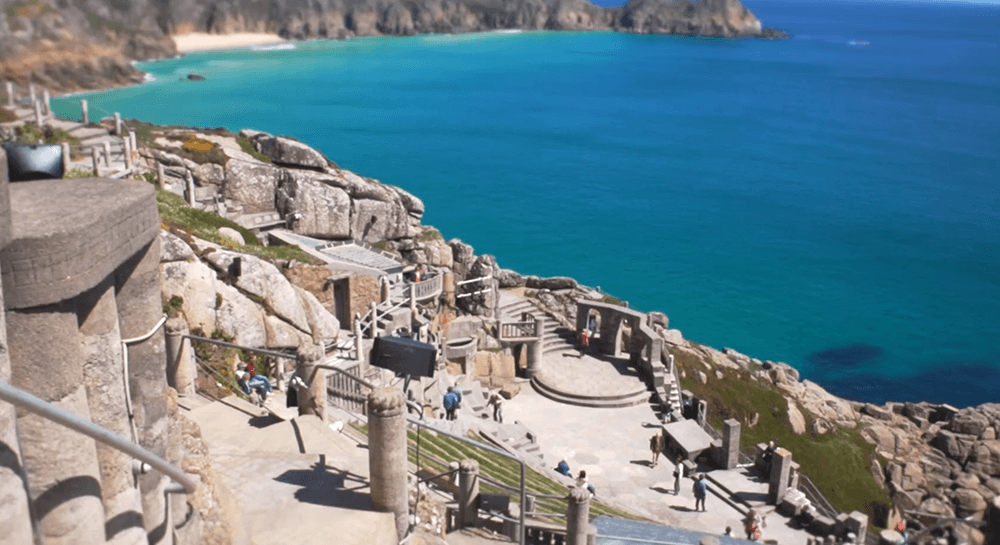
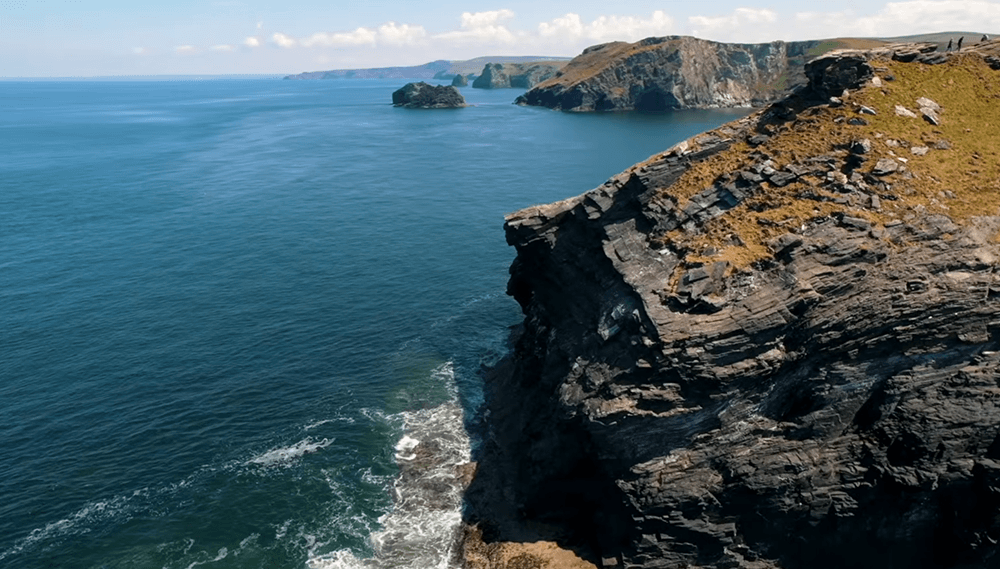
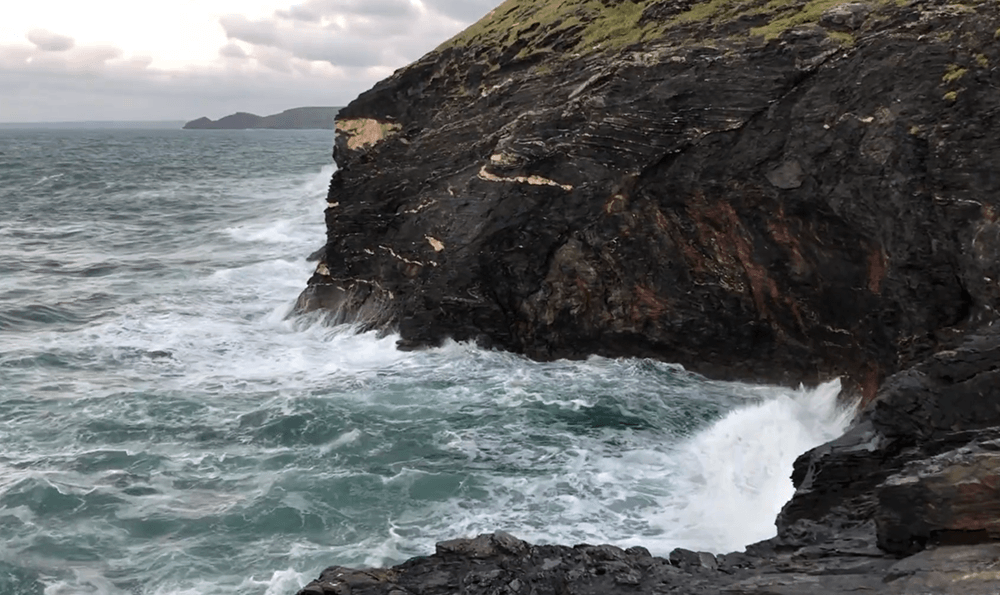
West Cornwall is one of the most memorable sections of the South West Coast Path. It has the feeling of a place shaped by sea, stone and weather. Compared with the softer estuaries of South Cornwall, this part of the coast is more rugged and exposed. The cliffs are sharper, the wind feels stronger, and the landscape often carries a sense of drama. It is also one of the most artistic and atmospheric parts of Cornwall, with fishing towns, old mining sites, legends, wildlife and some of the finest sea views in England.
The route begins west of Newquay and soon passes some classic Cornish beaches, including Holywell Bay, Perranporth and Carbis Bay. These are places of wide sand, surf and big skies. In good weather, the sea can look almost tropical, but the walking is still serious. The path often climbs steeply above coves and drops again towards beaches or small settlements. Good boots, waterproof layers and a flexible plan are important, especially when the Atlantic weather turns.
St Ives is one of the major highlights of West Cornwall. Once a medieval fishing port, it is now famous for art, galleries, beaches and narrow streets. It makes a natural rest stop, especially if you want a day away from long mileage. After St Ives, the coast becomes more remote as it curves around the Penwith Peninsula, the westernmost part of England. This is where West Cornwall feels at its wildest: granite cliffs, rough seas, seabirds, old field patterns and isolated headlands.

Mining heritage is one of the strongest themes here. The Cornish mining landscape is recognised as a UNESCO World Heritage Site, and the Coast Path passes close to some remarkable remains. Around Botallack, ruined engine houses stand above the sea, giving the cliffs a powerful, almost cinematic quality. Geevor Tin Mine and Levant Mine help explain how mining shaped local communities as well as the landscape. For walkers, these sites add depth to the journey; the coast is not only beautiful, it is full of hard human history.
Further south, the route reaches Porthcurno and the Minack Theatre, an open-air theatre built into the cliffs. Even if there is no performance, the view alone is worth the stop. Nearby beaches and turquoise water make this one of the most striking areas on the whole path. The route then moves towards Land’s End, a famous landmark, though the quieter stretches around it are often more rewarding than the signpost itself.
Between the Penwith and Lizard peninsulas lies Mount’s Bay, with St Michael’s Mount rising from the water near Marazion. Penzance, Newlyn and Mousehole bring a more settled, harbour-town character, with fishing boats, seafood and narrow lanes. Further east, the Lizard Peninsula forms the southernmost point of mainland Britain, with dramatic cliffs, rare plants and a different geological feel. Beyond it, the Helford River and the Fal Estuary soften the landscape again with wooded creeks and sheltered water.
West Cornwall is free to walk, but expect costs for accommodation, buses, parking, food and occasional attractions. It is best walked slowly, allowing time for galleries, mines, beaches and weather delays. For anyone who wants a coastal walk with real character, West Cornwall offers the full mixture: wild cliffs, art, mining history, legends, sea air and the unmistakable feeling of standing on the edge of England.

Commenta
Questo sito è protetto da hCaptcha e applica le Norme sulla privacy e i Termini di servizio di hCaptcha.